Five years of energy and opportunity

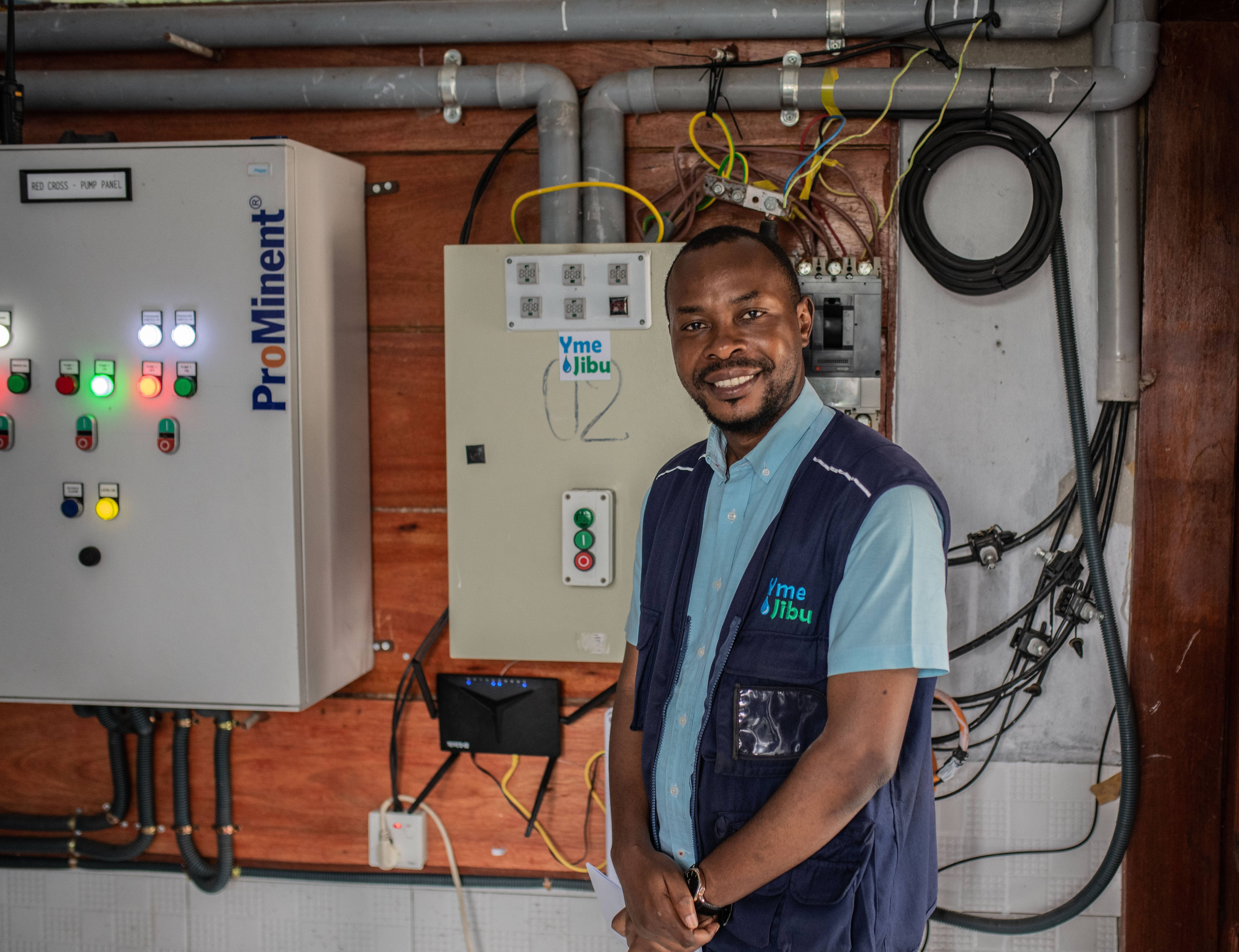


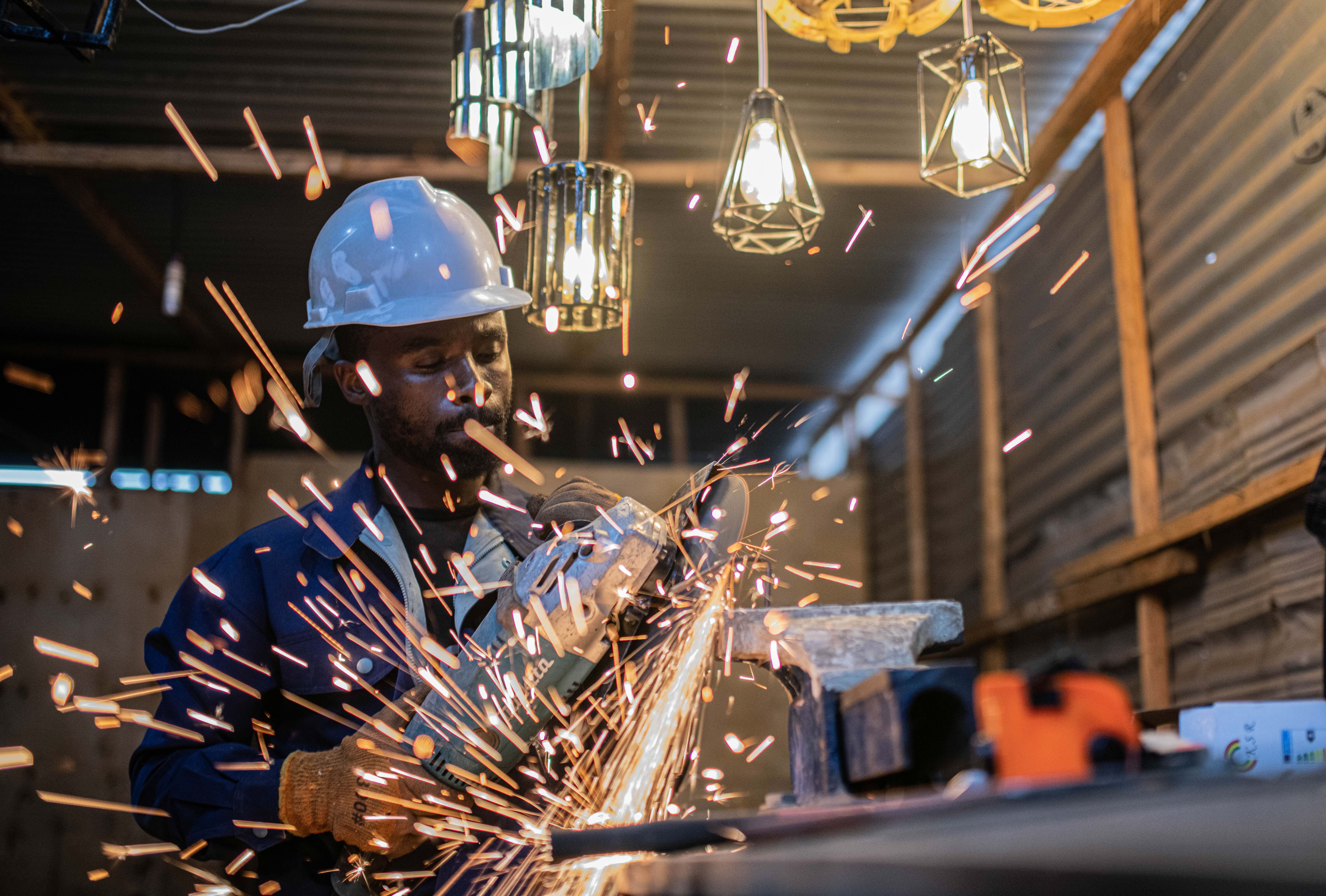

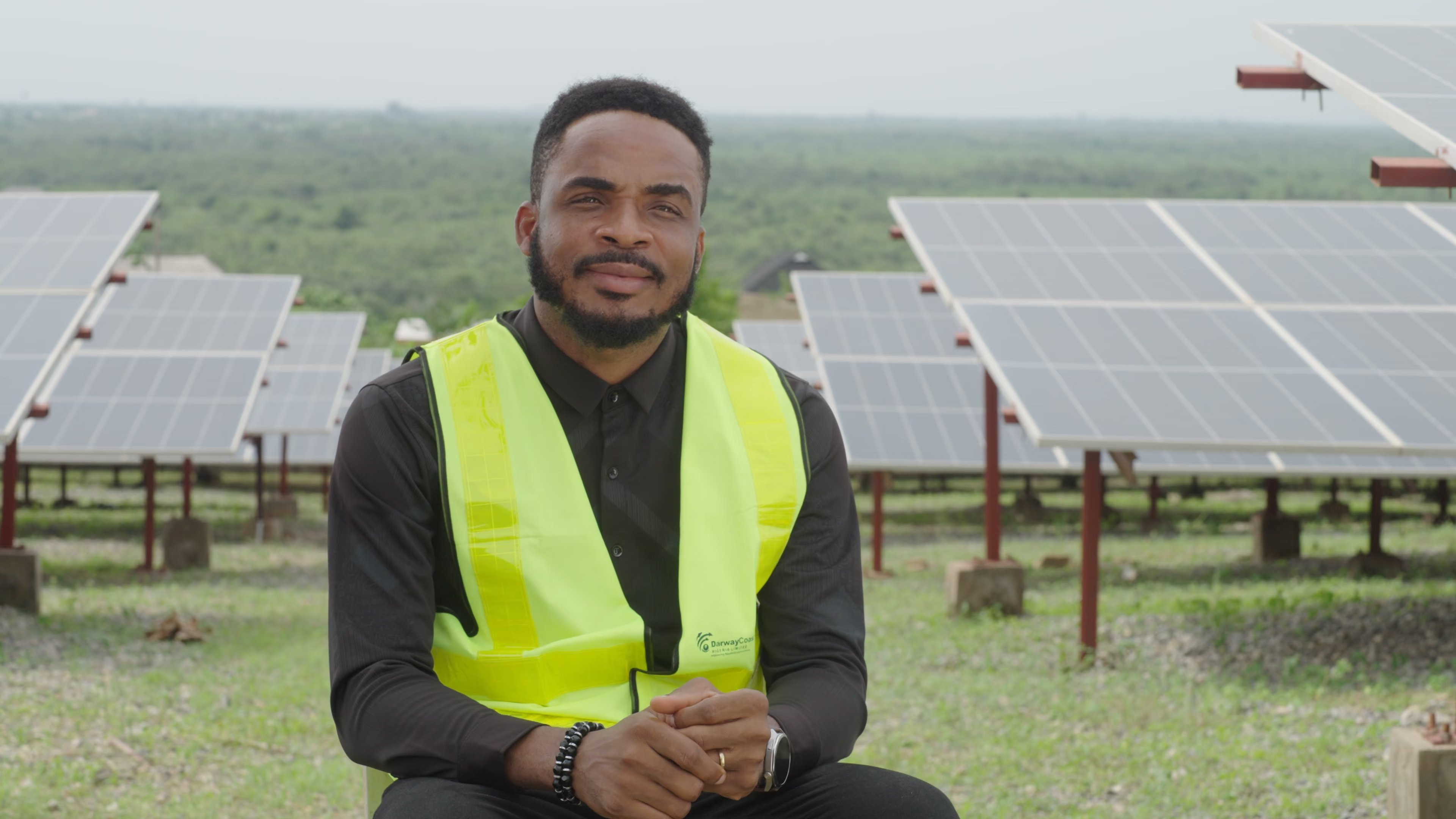
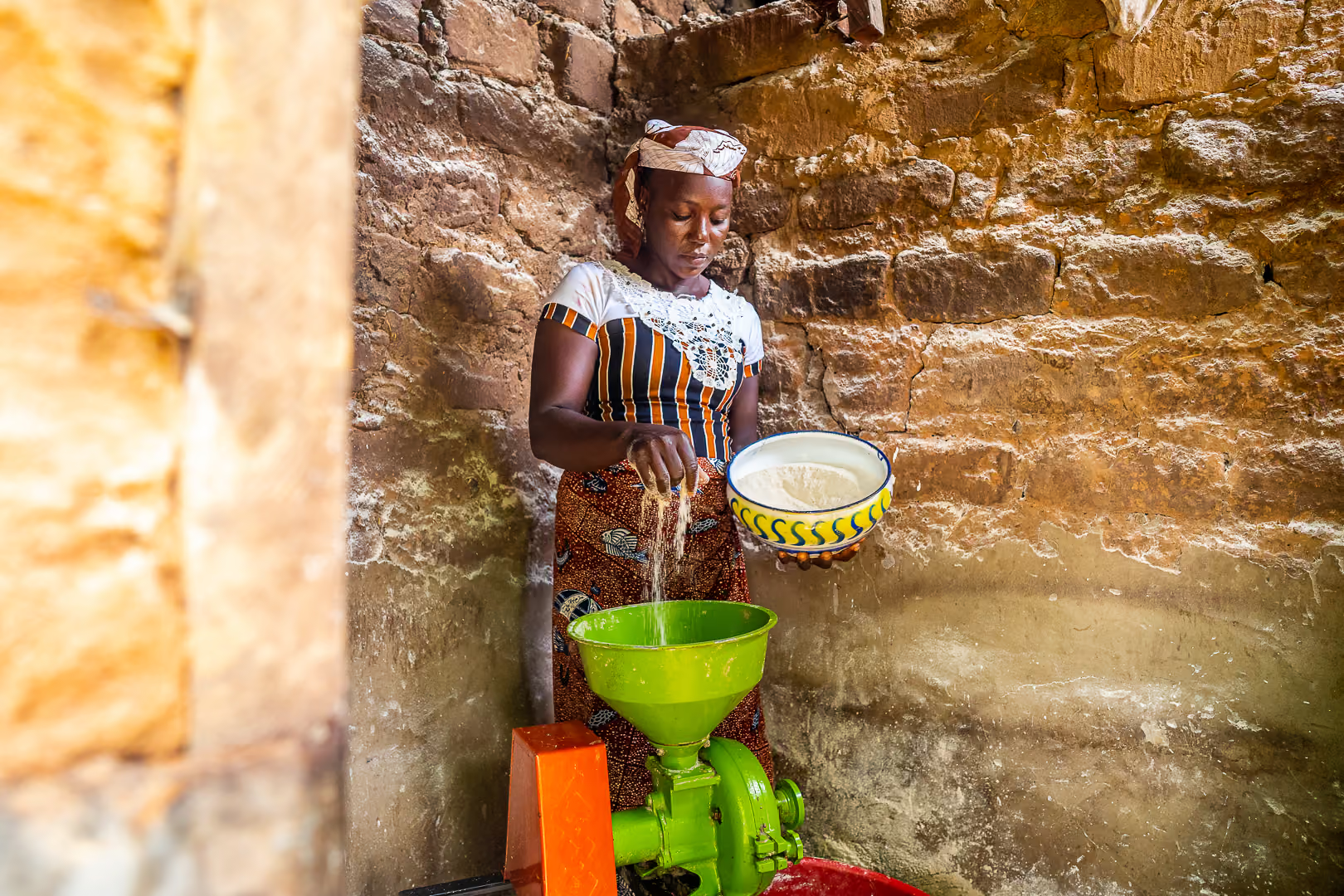


Jobs. Food security. Modern healthcare. Thriving economies. All depend on abundant, reliable energy.
Yet billions of people in emerging and developing economies live with access that is unaffordable or unreliable.
In 2021, with clean energy cheaper than ever, and global warming fast advancing, a group of philanthropies, multilateral institutions and governments began to imagine a bold new era of collective action – one that would harness clean energy to tackle climate change and energy poverty together, while creating jobs and opportunity for people and communities across emerging economies.



2021
A new model for change
Inspired by the kind of global collaboration that created coalitions like Gavi, which has immunized one-sixth of humanity since 2000, or CGIAR, which spurred the Green Revolution, the founders, including The Rockefeller Foundation, IKEA Foundation and Bezos Earth Fund, were driven by a singular understanding: big problems require bold solutions.
As COVID-19 lockdowns receded, more partners from development finance institutions and multilateral development banks, policy, advocacy and development agencies, and the energy sector, joined the movement. Remote meetings gave way to a week-long in-person gathering where partners laid the groundwork for what Global Energy Alliance could be.
In November, at the UN climate summit COP26 in Glasgow, Global Energy Alliance for People and Planet launched and the work began.
Partners met in Italy to build the vision and plot a path ahead. The plan, to harness catalytic capital, shared expertise and deep in-country partnerships to unblock pipelines of renewable power, takes shape.
Global Energy Alliance launches at COP26 in Glasgow
Early grants to multilateral development banks will eventually unlock more than $4.9 billion in investment. “The quickest way to make an impact was signing memoranda of understanding with multilateral development banks, recognising they had the immediate implementation capacity,” said Isabel Beltrán, Vice President of Programs and Latin America and the Caribbean, Global Energy Alliance.
A bulk-purchasing program in Nigeria, which cut solar equipment costs for local developers by up to 30%, helped build a market for renewable energy and shaped ambitious efforts like Mission 300. The procurement platform behind it, run by Odyssey Energy Solutions, now operates in 11 countries, has facilitated about $180 million in equipment purchases and has enabled clean energy projects totaling 1.5 gigawatts. “Building investor confidence in distributed renewable energy took time,” said Ashvin Dayal, Chief Operating Officer, The Rockefeller Foundation. “Through advocacy, experimentation and demonstrating what works, we helped build the momentum for ambitious initiatives like Mission 300.”
2022
Momentum builds

Following catalytic investments alongside multilateral development banks, activities expanded rapidly with new partnerships and programs across Africa, Asia and Latin America and the Caribbean.
The formation of a Global Leadership Council brought critical new partners into the alliance.
In March, we launched the Energizing Agriculture Program in Nigeria which would go on to inform a $750 million World Bank energy program. Later in the year, the Productive Use Financing Facility began unlocking access to solar-powered farm equipment and other tools across six African countries.
These are patient bets that would, over time, influence government policy and shape new markets. It was a year of intentional partnership building and bold experimentation.
Global Energy Alliance forms its first board, chaired by Ravi Venkatesan, UNICEF’s Special Representative for Young People & Innovation.
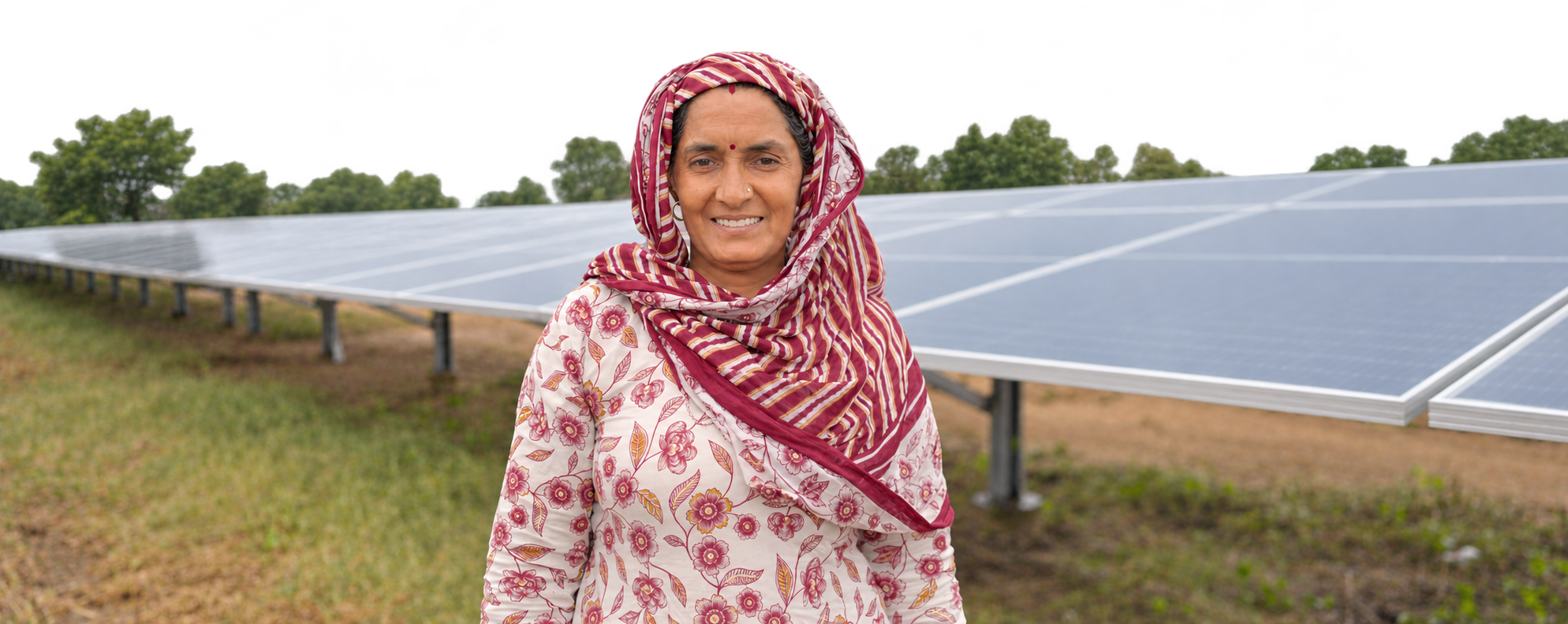
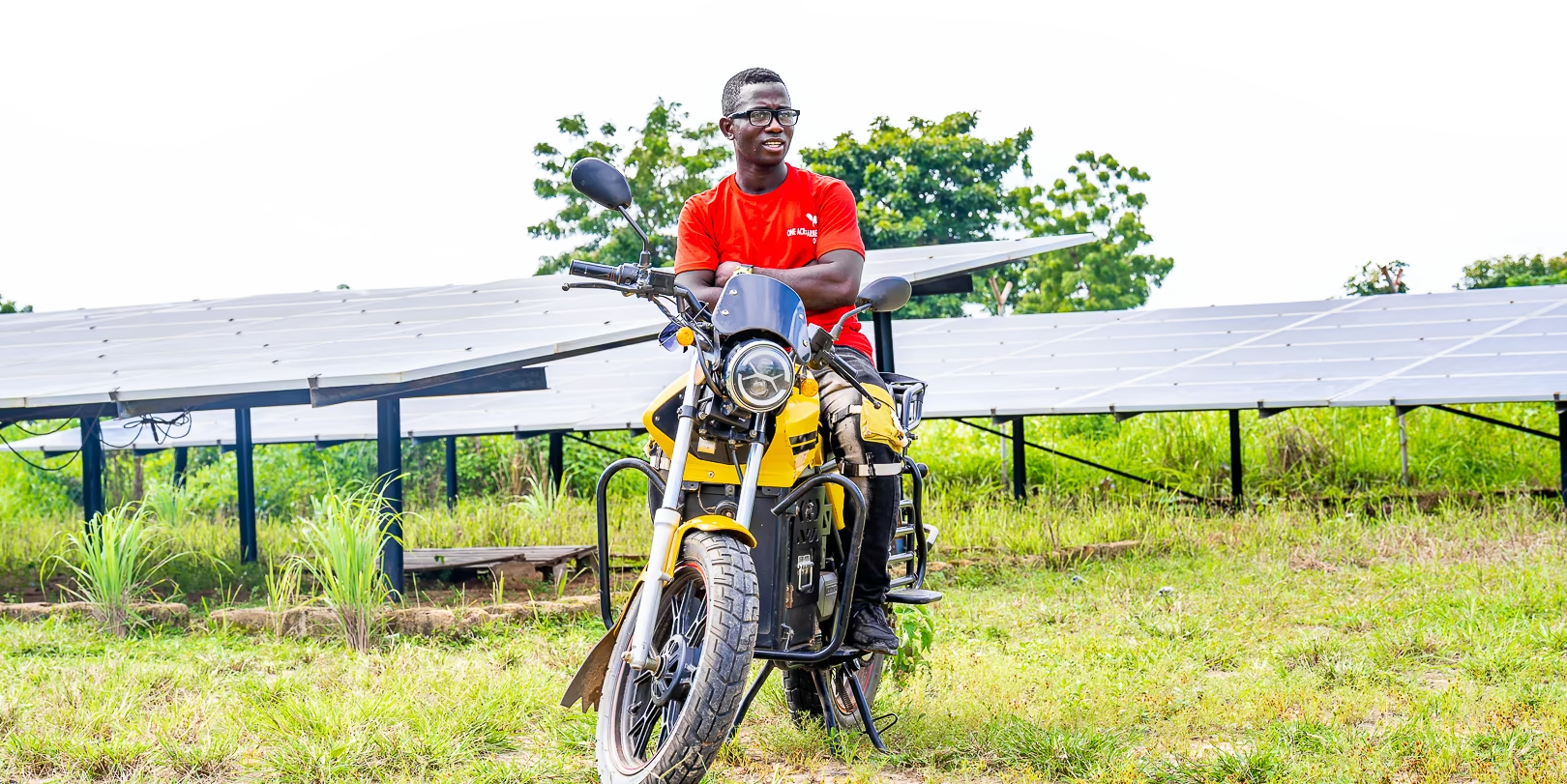
Clean power boosts livelihoods on Nigeria’s farms
Systems change: The Energizing Agriculture Program program, in partnership with RMI and the Nigerian Rural Electrification Agency, goes on to reach 250 communities with clean energy and solar-powered tools, leads the government to build productive use into site selection for mini grids and informs a $750 million World Bank energy project.
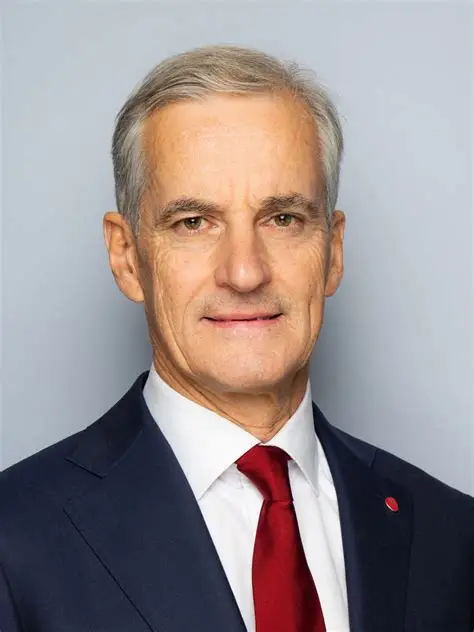
The first convening of our new Global Leadership Council, a coalition of world leaders dedicated to amplifying and accelerating our mission. “I'm proud to be cooperating and participating in this great adventure called Global Energy Alliance for People and Planet,” said Jonas Gahr Støre, Prime Minister of Norway and co-chair of the GLC.
We help advance South Africa’s journey toward net zero emissions by 2050, staffing key Just Energy Transition institutions, financing a coal decommissioning pilot, and launching the Komati Training Facility equipping former coal workers with renewable energy skills.
Global Energy Alliance establishes its own staffing and operational structures, an important step in its evolution from a newly launched initiative toward an independent global organization.
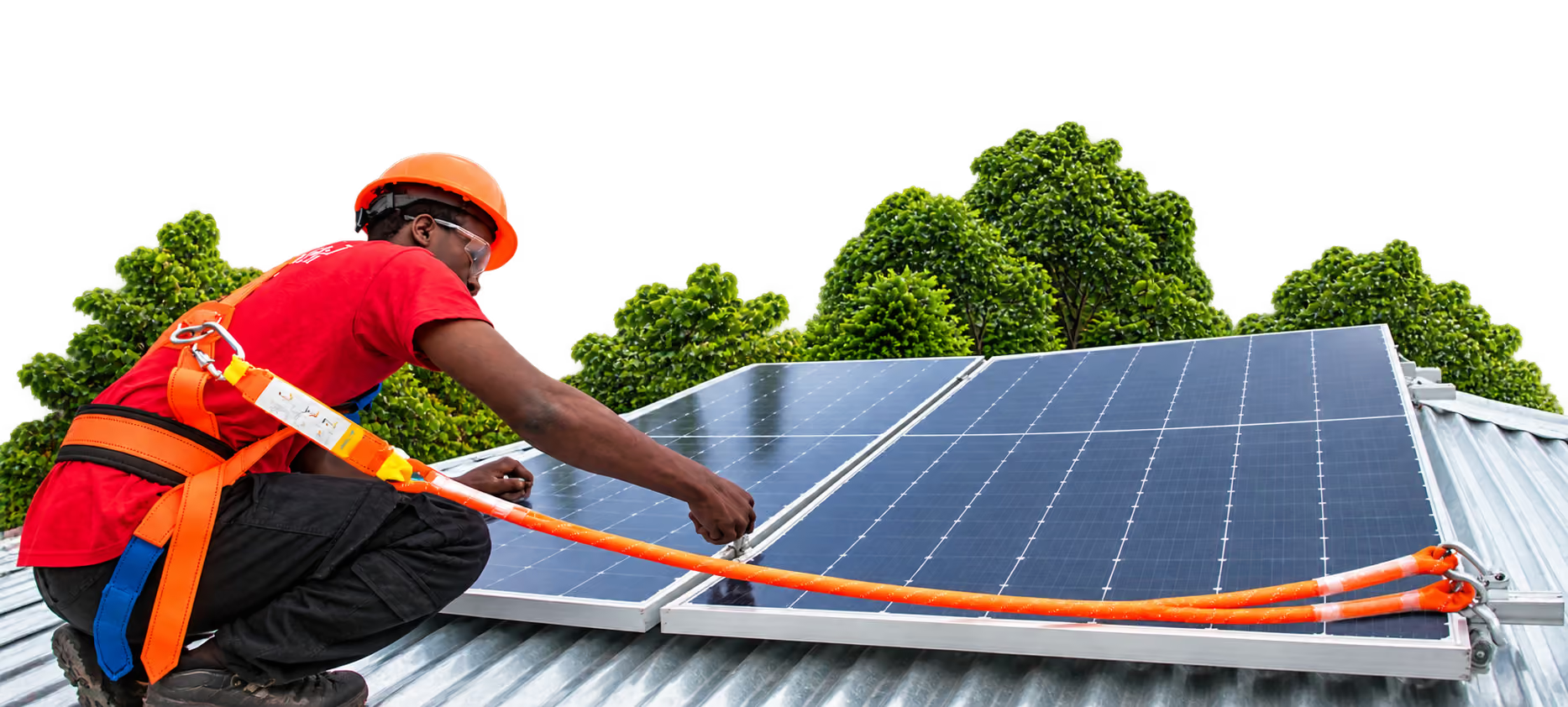
Launch of Ethiopia’s pioneering DREAM initiative to provide Africa's first large-scale solar-powered irrigation project for small-scale farmers.
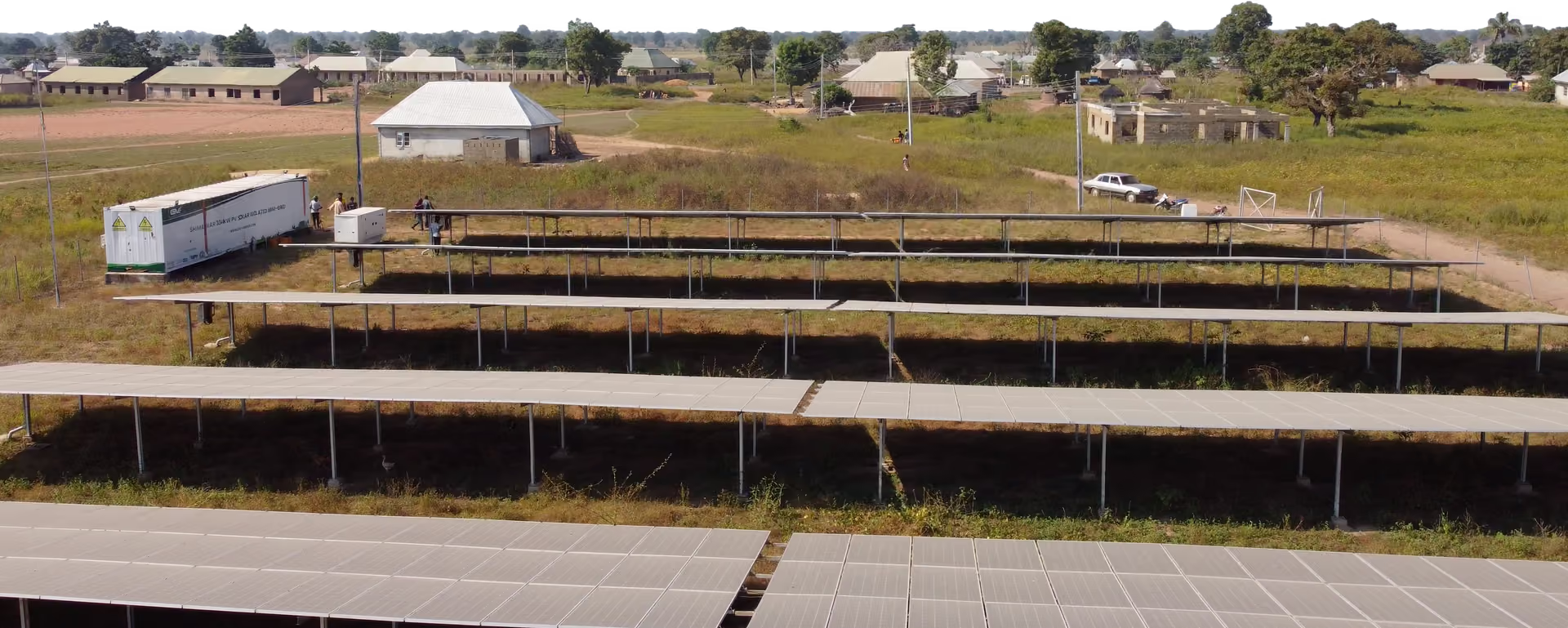
Our mini grid program in Nigeria pilots the use of integrated mini grids to strengthen power supply for communities living with unreliable electricity.
Systems change: By 2024, the pilots, in partnership with the government of Nigeria, developers, utilities, communities and RMI, would connect 30,000 people to electricity. The pilots convince the regulator to require distribution companies to source 10 percent of energy from local generation and renewables. Mini grids now are incorporated into Nigeria’s national electrification strategy, unlocking a $127 million World Bank allocation. More than 100 projects are in the pipeline .
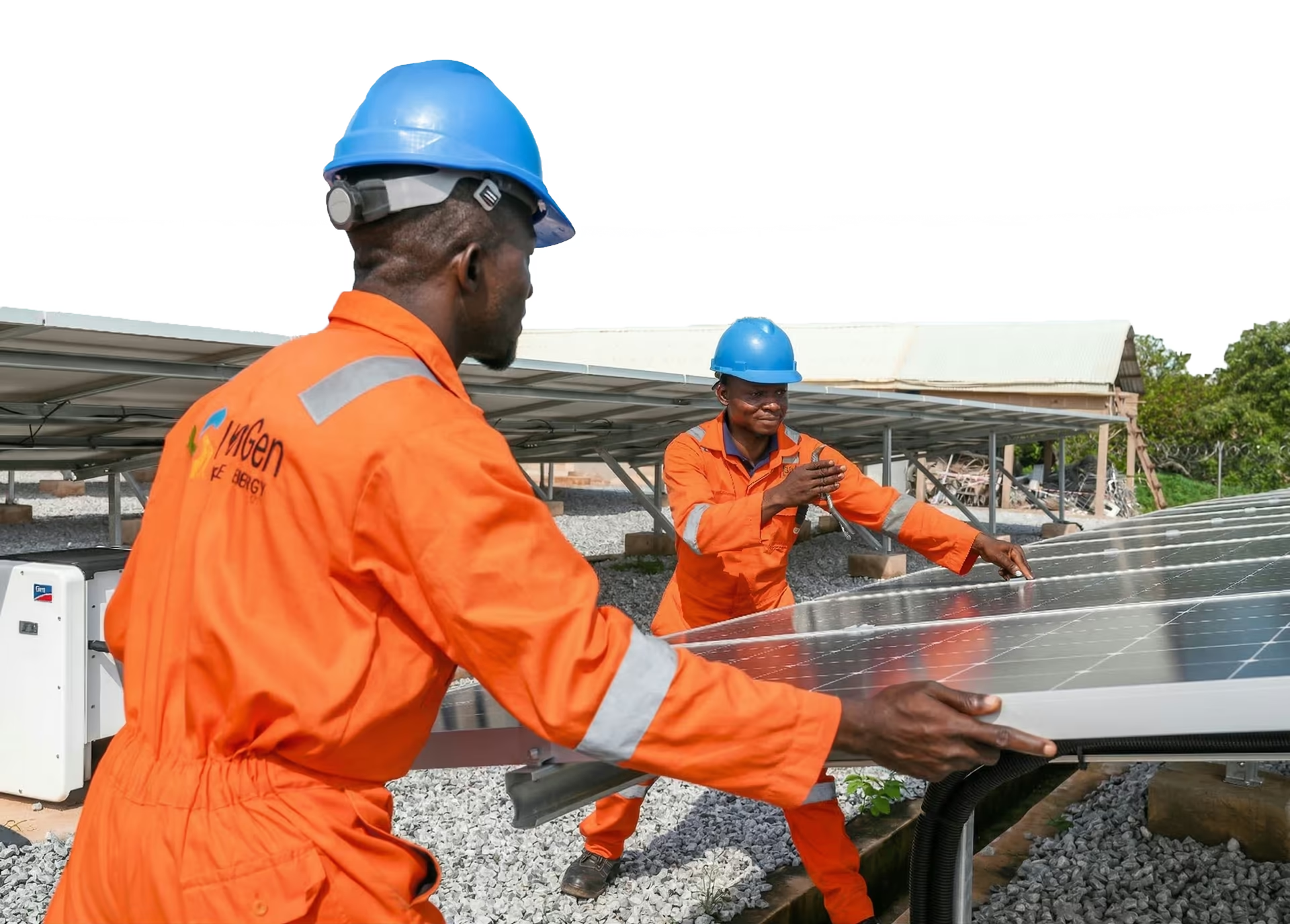
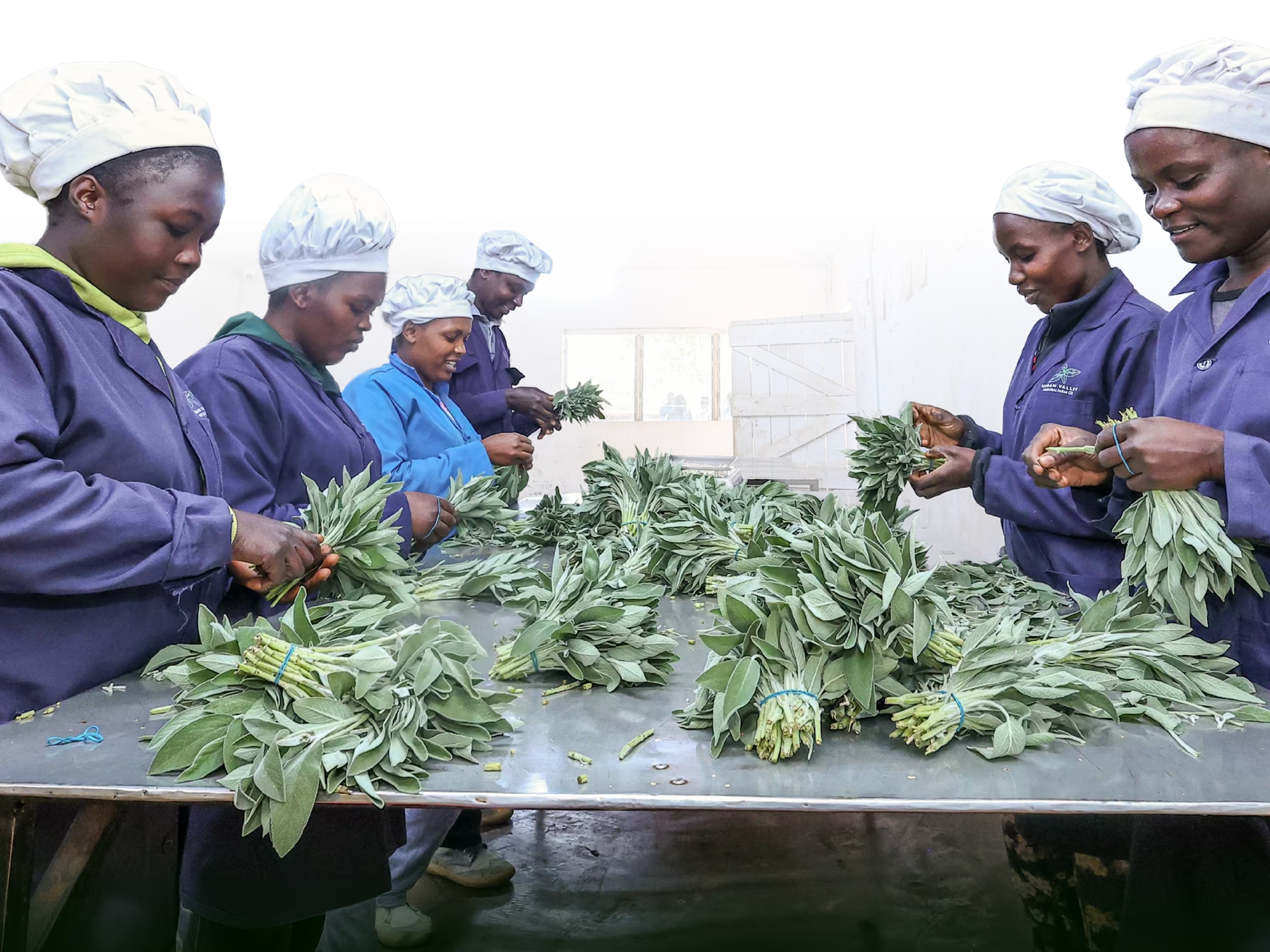
Launch of an innovative financing tool to increase access to solar-powered tools and equipment across six African countries.
Alliance at work: By 2025, the Productive Use Financing Facility (PUFF), which supports manufacturers and distributors of productive tools, would lead to the distribution of more than 16,000 pieces of equipment across six countries and $83.5 million in further financing unlocked.
Partners celebrate Global Energy Alliance’s first anniversary at COP27 in Sharm El-Sheikh.
First progress report, Powering People and Planet (2022).
2023
Discovering what works, and what doesn’t
In 2023, Global Energy Alliance forged ahead with its ambition to become a global coalition changing energy and changing lives.
New partnerships took shape in Southeast Asia; a farm solarization program put Rajasthan on track to reach 1.2 million farmers; and an innovative solar program in Haiti delivered a blueprint for electrifying hard-to-reach areas across the globe.
We continued to build the deep country and institutional alliances essential to effective, sustainable action. Technical specialists were deployed where they are most needed – inside government and regulators – to unclog the bottlenecks preventing clean energy from taking hold.
We also learned firsthand how difficult it can be to deliver systems-changing energy projects. We learned that working across too many geographies and technologies would stretch our impact; that deploying capital is not the same as delivering results; and that meaningful partnerships take time to nurture and build.
Recognizing a need to sharpen our focus, we began to anchor our interventions in two key areas: battery storage and distributed energy.
We begin a collaboration with Vietnam to help the country reach net zero emissions by 2050. A focus on battery storage eventually leads to plans for a regional BESS center of excellence. “It was important to put our work in the context of what a country is trying to achieve, and not just the megawatts we’re trying to build,” said Michelle Hammer, Managing Director, Global Energy Alliance.
A new agreement with Indonesia paves the way for the retirement of more than 600MW of coal generation, and the creation of a comprehensive energy transition plan to help the country reach net zero emission by 2060.
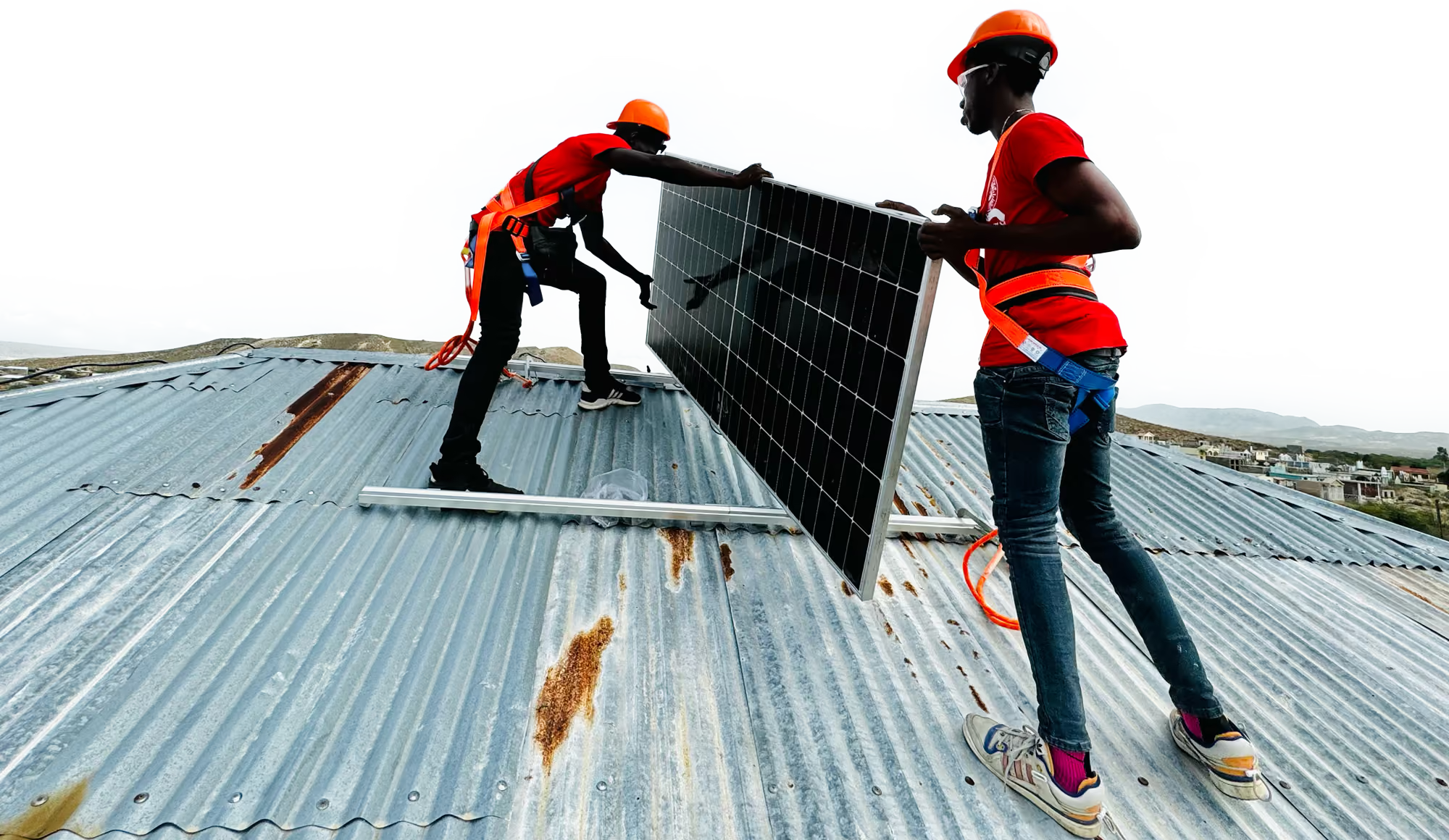
A mesh grids project in Haiti helps rural communities install interconnected rooftop solar panels, batteries and meters.
Systems change: By embedding specialists with the government and regulator to develop licensing and tariff frameworks, this work stimulates a stalled market for solar mesh grids and delivers a blueprint for electrifying hard-to-reach areas across the globe.
Launch of ENTICE, a program to help early-stage clean-tech innovators move from early concepts toward real-world deployment. To date the program has engaged more than 600 start-ups. “Funding is only one part of what a start-up needs," says Vaishali Mishra, Director of Communications and Global Special Projects at Global Energy Alliance. "It also needs the right introductions, honest feedback, and someone who will still pick up the phone a year later. ENTICE provides that kind of support.”
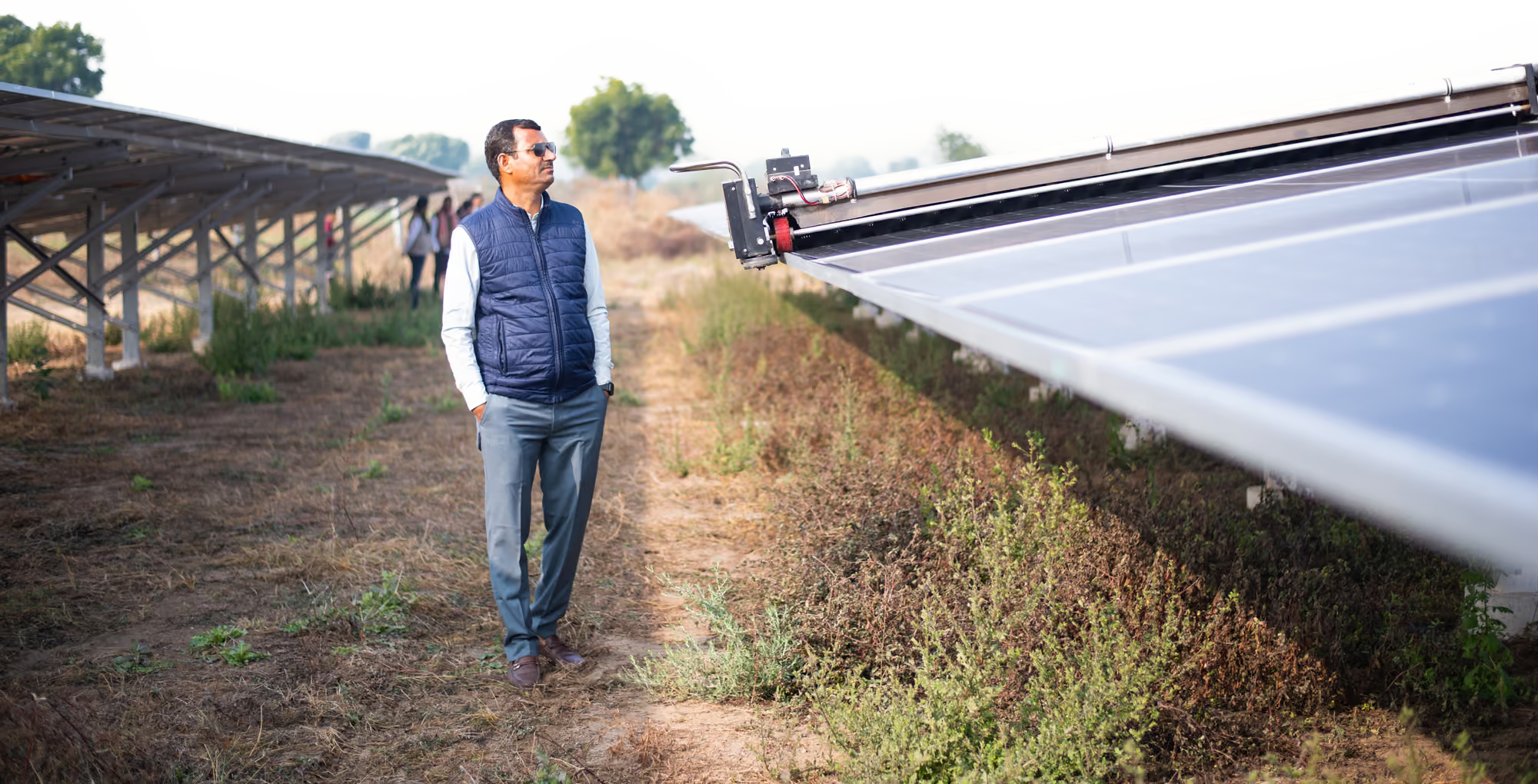
Launch of an agri-solarization project in Rajasthan, India, supporting rural farmers and their communities.
Systems change: Our bespoke digital tools enabled farmers to bundle small plots of land into sites large enough to attract solar development. The work overcame a critical bottleneck in the government's distributed renewable energy program, putting it on track to reach 12 million farmers by 2030.
At UN General Assembly in New York, we articulate our two signature initiatives: advancing battery storage (BESS) and distributed renewable energy. These will later become our twin pillars, Grids of the Future and Powering Opportunity.
At COP28 in Dubai, we formally announce the Battery Energy Storage System (BESS) Consortium. 11 partner countries, 15 partner organizations, and one goal: accelerate of BESS in emerging economies. To date, the partnership has enabled more than 4GW of BESS.
2024
A more focused alliance
With the pain of COVID receding, but the spectres of geopolitical unrest, climate change and falling development aid looming large, we began a strategic and organizational reset.
In 2024, Global Energy Alliance named Woochong Um, former Managing Director of the Asian Development Bank, as CEO. Under his leadership, we sharpened priorities, strengthened country-led partnerships and brought greater focus and discipline to where and how we deploy our teams and resources.
We became a founding partner of Mission 300, the World Bank and African Development Bank-led mission to connect 300 million people in Africa to electricity by 2030. Our goal: to move beyond individual projects and create the conditions for systems change and lasting impact at scale.
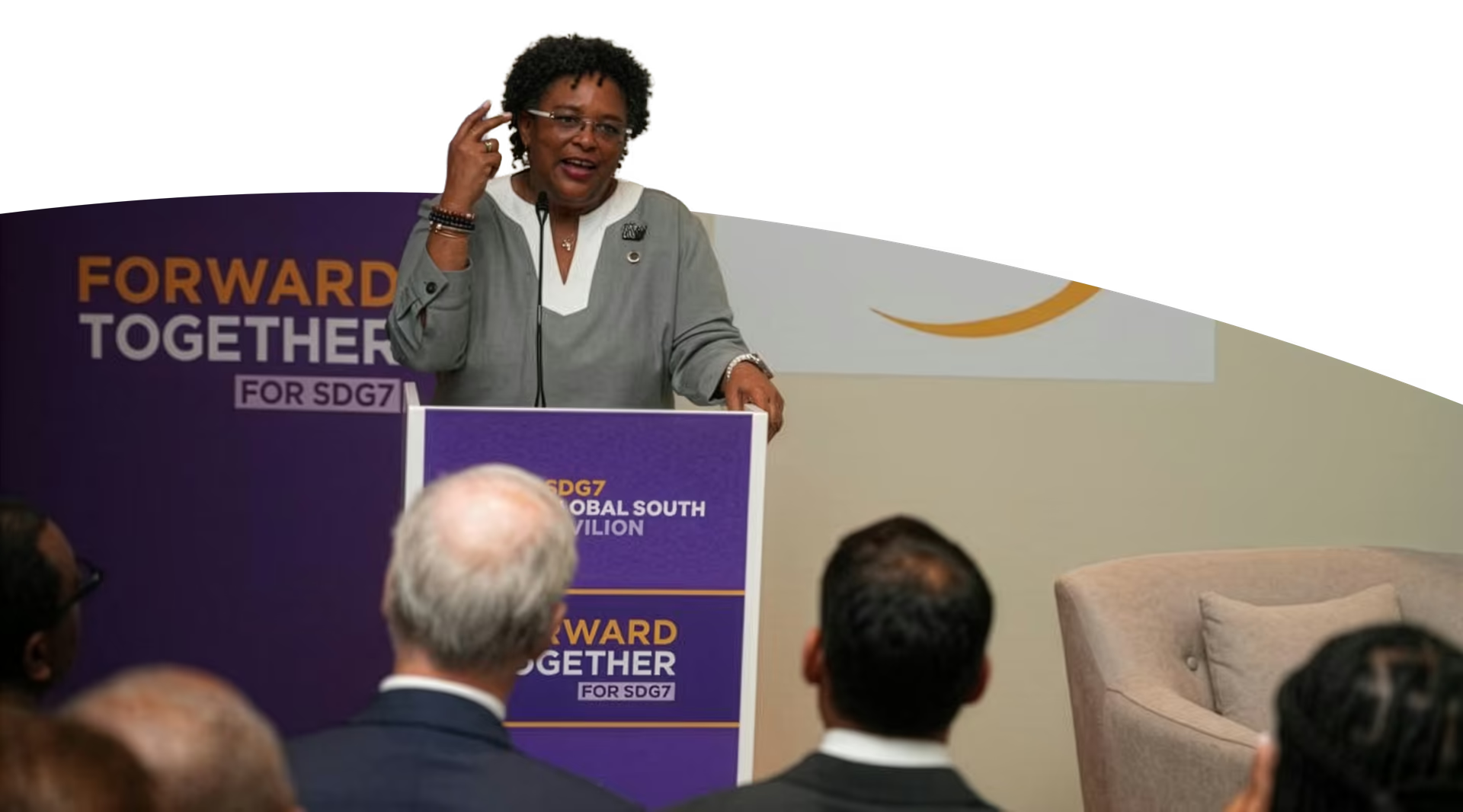
With support from the BESS Consortium, Barbados delivers new legislation that unblocks stalled solar development.
Building on our work in Nigeria, Global Energy Alliance helps found the World Bank and African Development Bank-led Mission 300, an ambitious plan to connect 300 million people in Africa to electricity by 2030.
2025
A year of renewal and impact
Our early years demonstrated that measurable impact requires thoughtful coalitions, a deeper understanding of the systems in which we are working and capital deployed where the potential for measurable systems changes is clear.
Our 2025 impact report acknowledged these lessons and defined a sharpened strategy anchored by two interconnected pillars: Grids of the Future which strengthens electricity supply, and Powering Opportunity which stimulates energy demand to ensure new access drive jobs and economic growth.
2025 was also the year that some early bold investments paid off. India’s first utility-scale battery storage system was commissioned in New Delhi helping spark an expansive pipeline of similar projects in India, Malawi and beyond; new programs equipped women with solar-powered tools; and we convened a regional coalition to deliver energy to the most neglected communities in Latin America and the Caribbean.
We received the Giving to Amplify Earth Action Award at the World Economic Forum.
India’s Decentralized Renewable Energy for Women’s Economic Empowerment (DEWEE) launches in Uttar Pradesh State to equip women entrepreneurs with solar-powered tools.
- Working within the system: Making clean energy part of the government’s national rural livelihoods program, helped more women access the energy they need to improve their livelihoods. To date the program has reached more than 10,000 rural businesses.
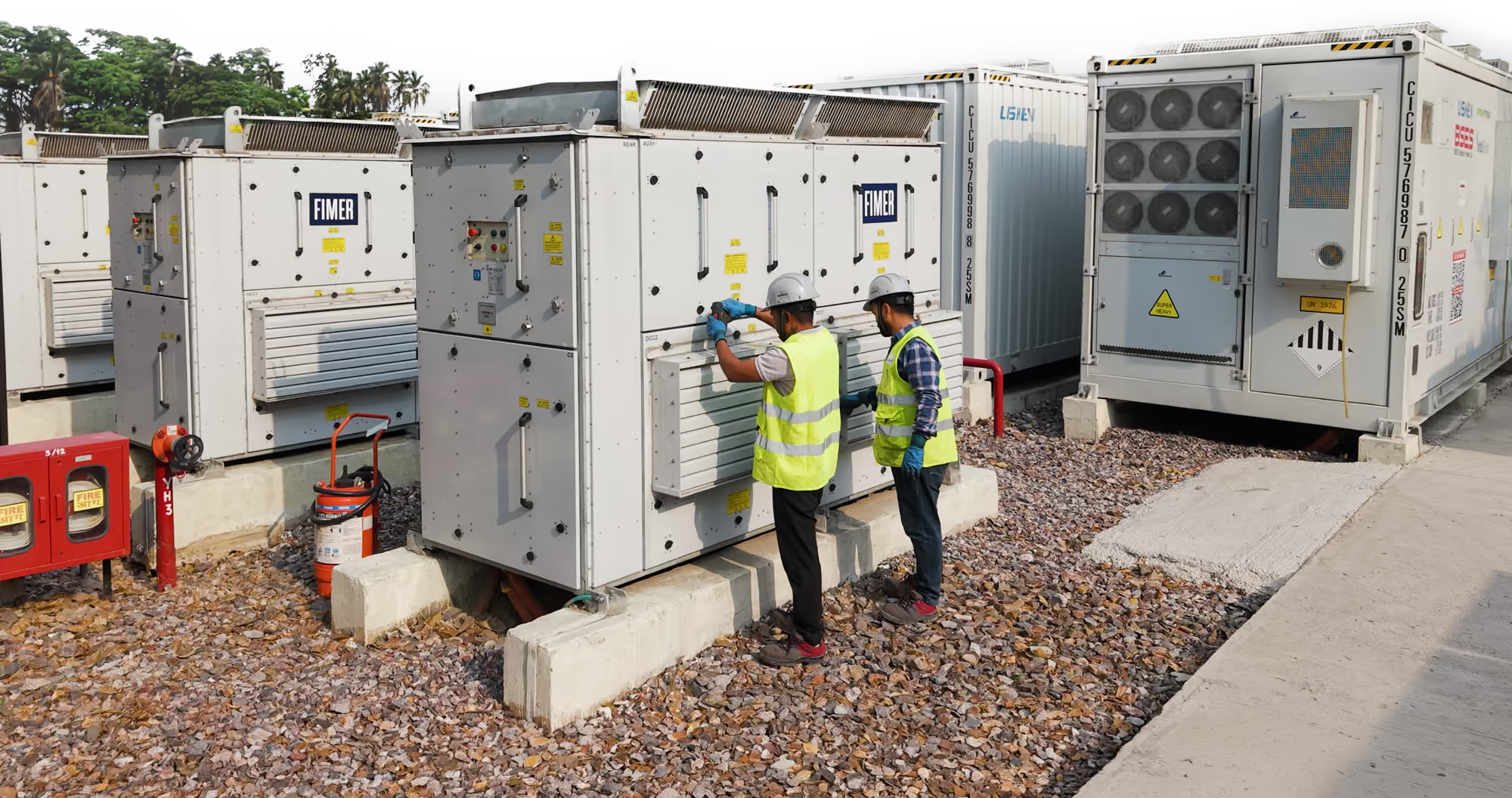
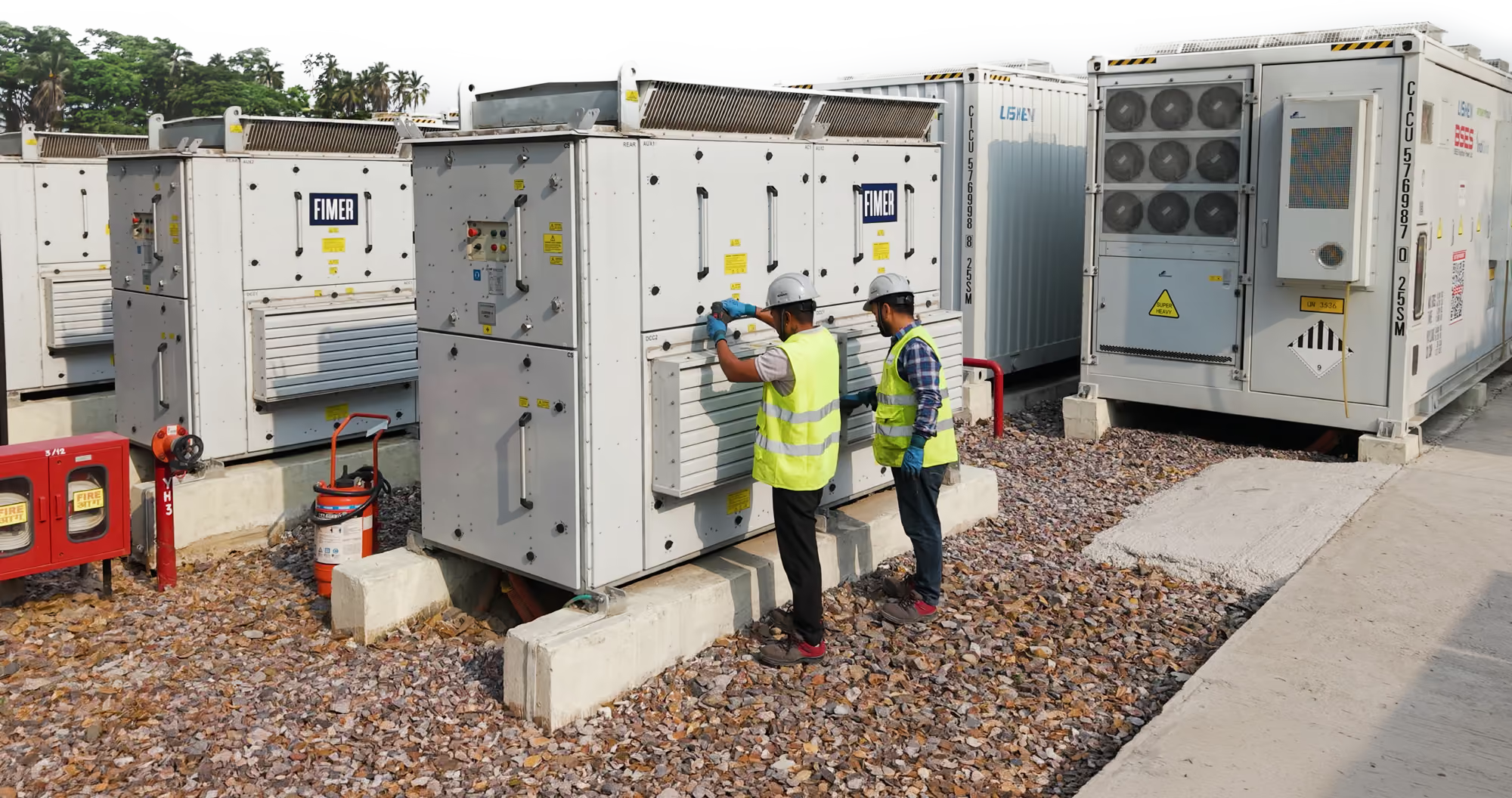
India’s first utility-scale, standalone battery storage system commissioned in New Delhi, a flagship project for our Grids of the Future initiative.
Systems change: The 20MW system has paved the way for a growing pipeline of projects across the country – and similar projects in Malawi, Brazil, Vietnam and beyond.
The Latin America and the Caribbean Universal Access Coalition convenes, catalyzing finance and technical assistance to accelerate efforts to reach the 17 million people living without electricity across the region.
Third Powering People and Planet report (2025) highlights impact across our portfolio, and lays out a series of lessons we will take forward:
- Success starts with understanding country context
- Urgency must be met with patience and adaptability
- Catalytic capital’s impact is measured in outcomes and engagement not expenditure
- Alliances are the drivers of systems change
A five-year MoU with Brazil’s Ministry of Mines and Energy advances universal, productive energy access to communities deep in the Amazon. The first of six installations, in Bela Conquista, happens less than a year later.
2026
Changing energy systems
Our two-pillar approach, focussed on driving both energy supply and energy demand, is now bearing fruit.
Under Grids of the Future, we commissioned a groundbreaking battery storage system (BESS) and a new Southern African BESS learning center in Malawi. Under Powering Opportunity we helped Brazil integrate the productive use of energy into its national electrification policy, while commissioning the first in a series of mini grids designed to power local businesses and industries deep in the Amazon.
As AI and digital technologies open up new possibilities, we continue to innovate, learn and refine our approach to transforming energy systems at scale.
Global Energy Alliance and The Rockefeller Foundation’s commitment to Mission300 reaches $100 million.
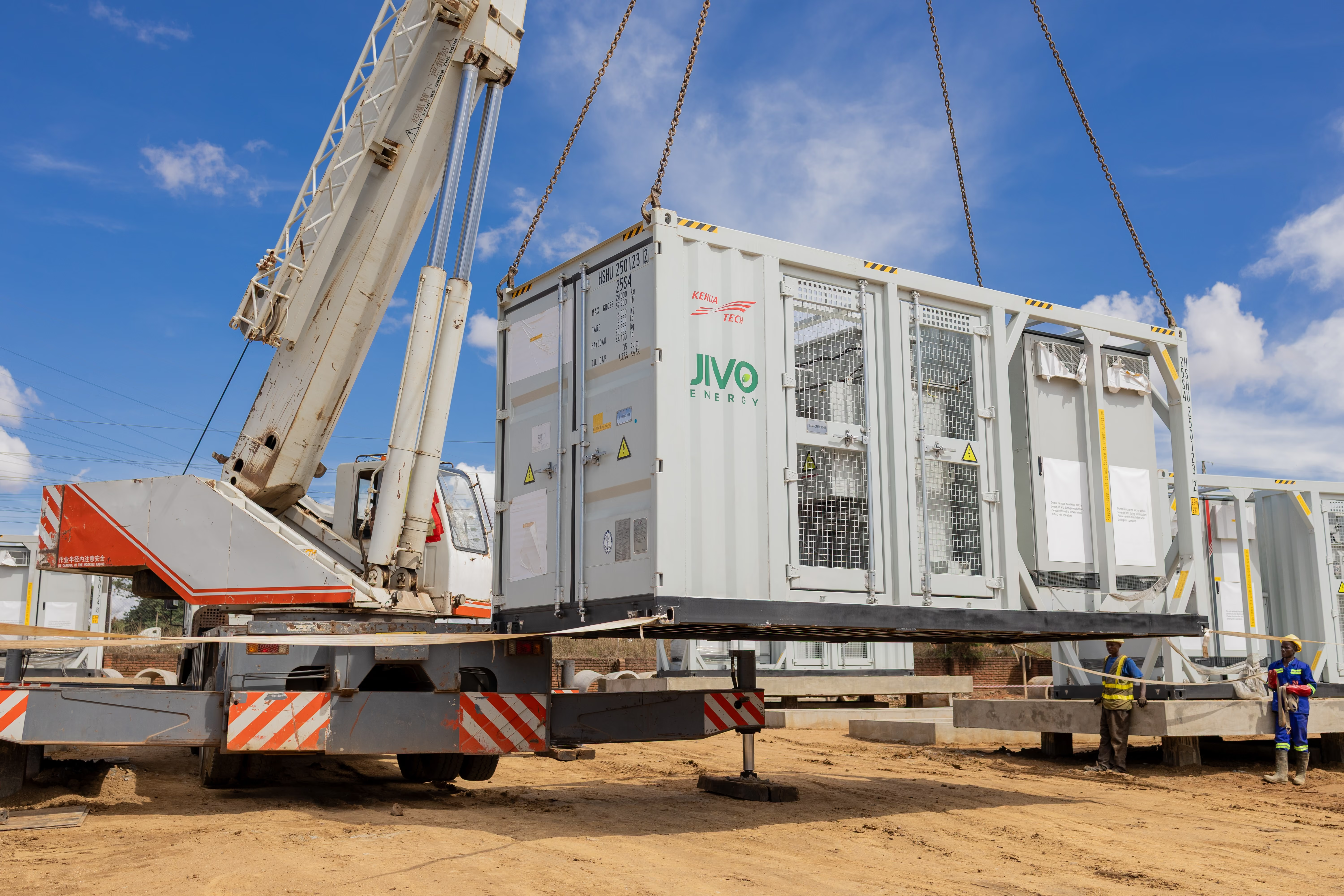
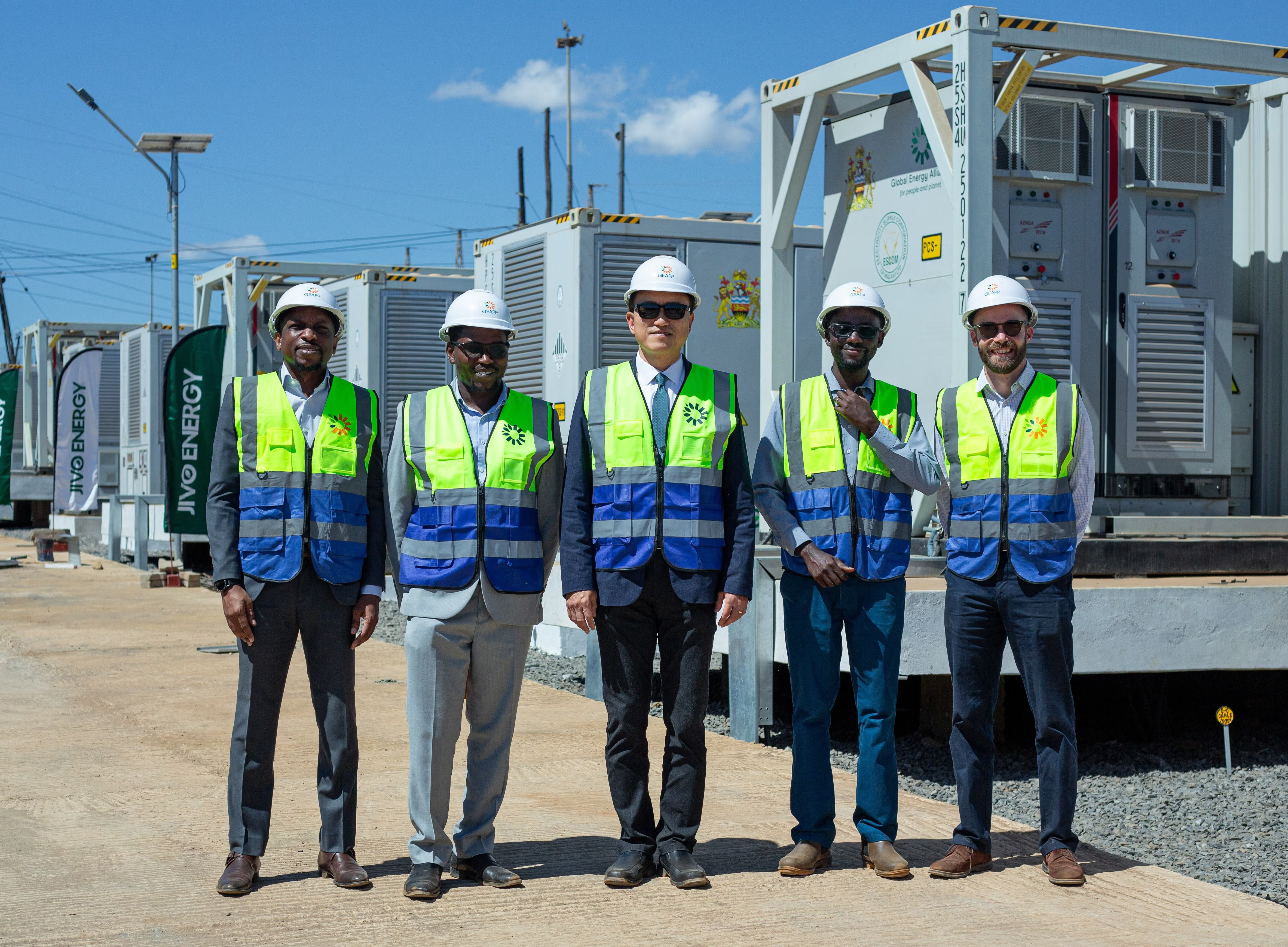
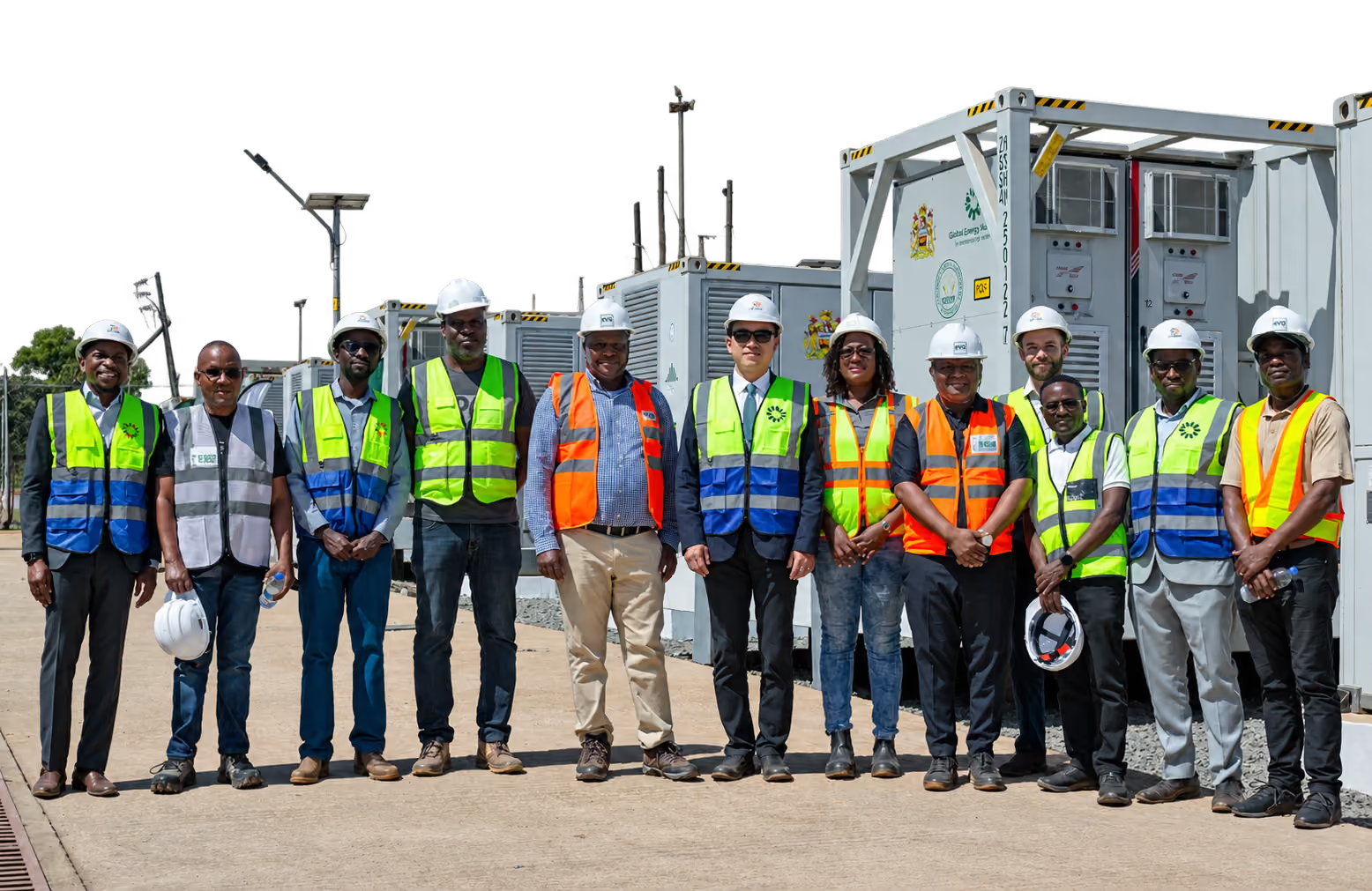
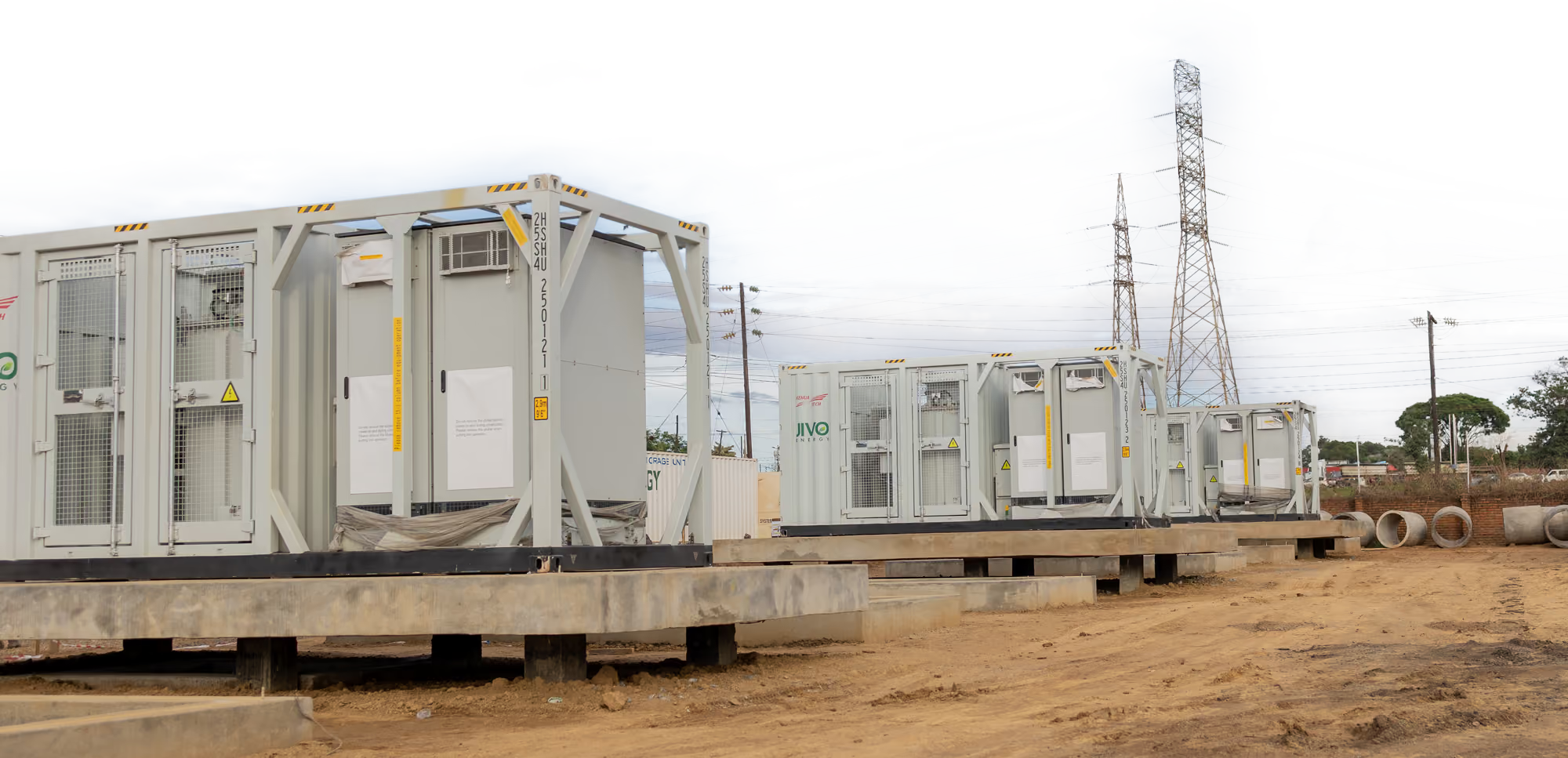
Malawi commissions its first utility-scale BESS in Lilongwe.
Global learnings: The Malawi project builds on the successful commissioning in Delhi and anchors a BESS center of excellence with Mzuzu University, to inform BESS across Africa.
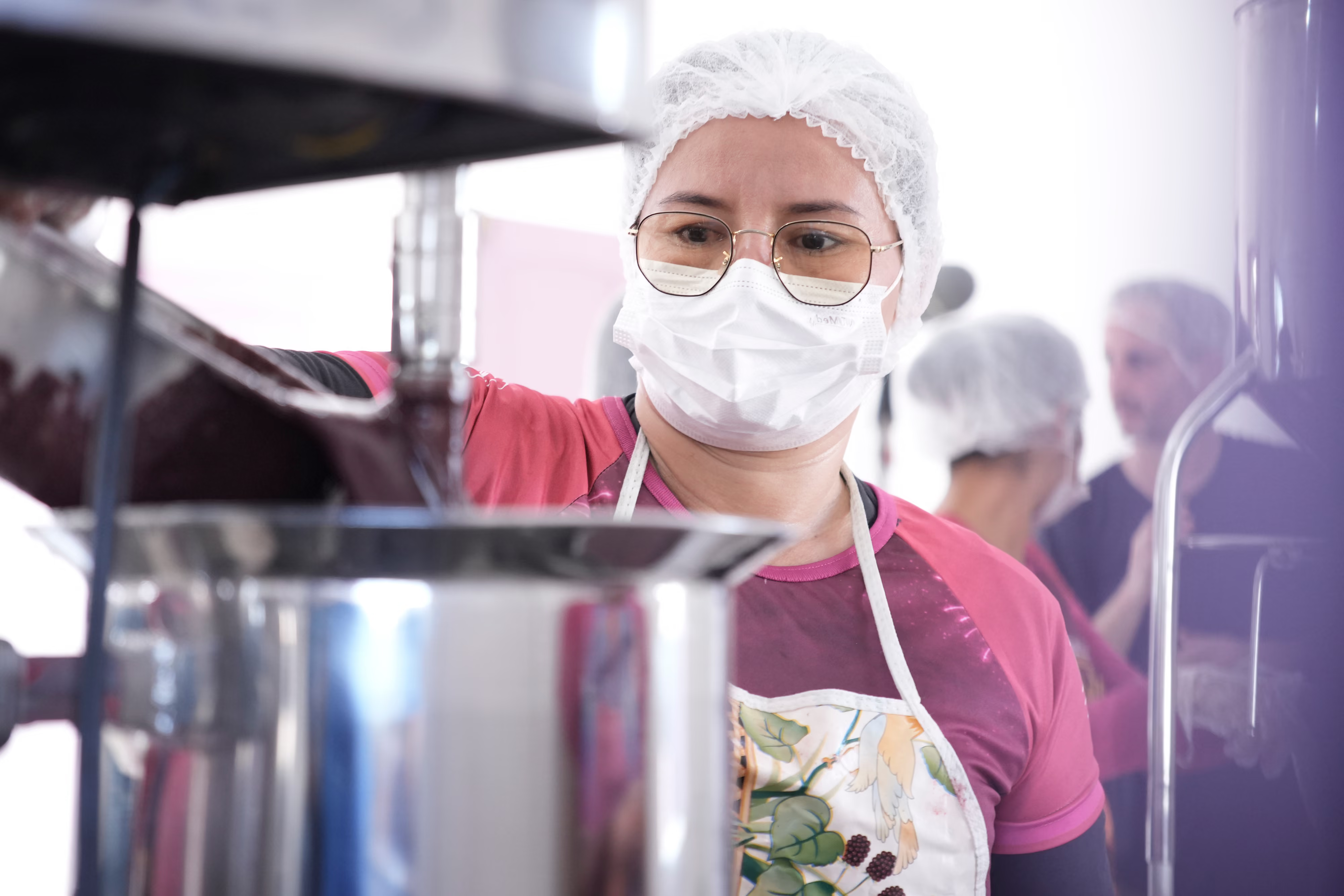
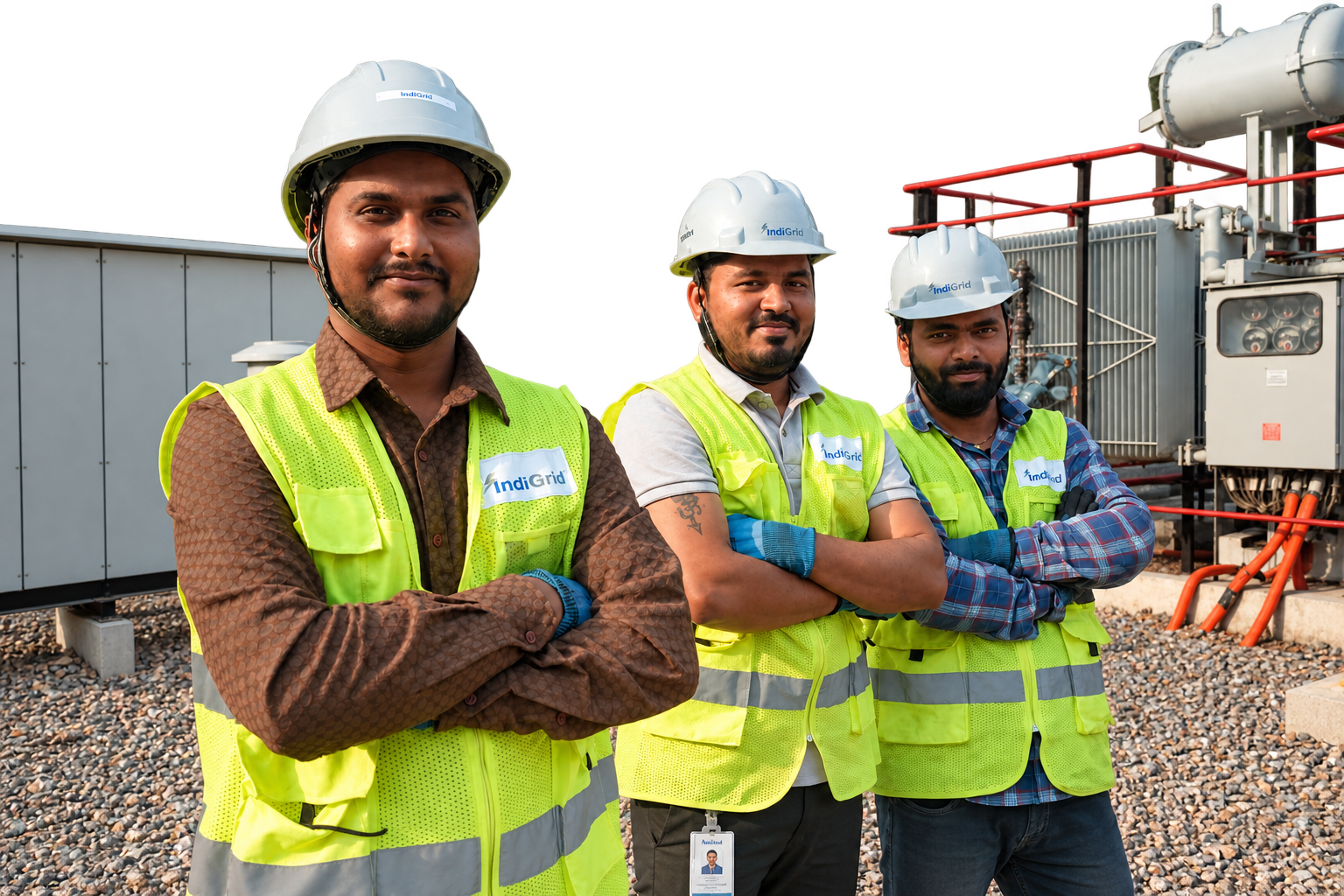
The installation of solar to power açaí processing in a remote community in Brazil’s Amazon rainforest marks an important milestone in our efforts to support the country's electrification policy while increasing incomes and supporting livelihoods that work in harmony with the ecosystem.
Global Energy Alliance marks five years with impact across more than 30 countries.
We are on track to connect more than 90 million people to electricity, create or improve 3.1 million jobs and avoid nearly 300 million tons of carbon emissions. Our sharpened two-pillar strategy is helping us achieve our vision: a world where everyone has abundant clean energy and the means to use it to improve their lives.
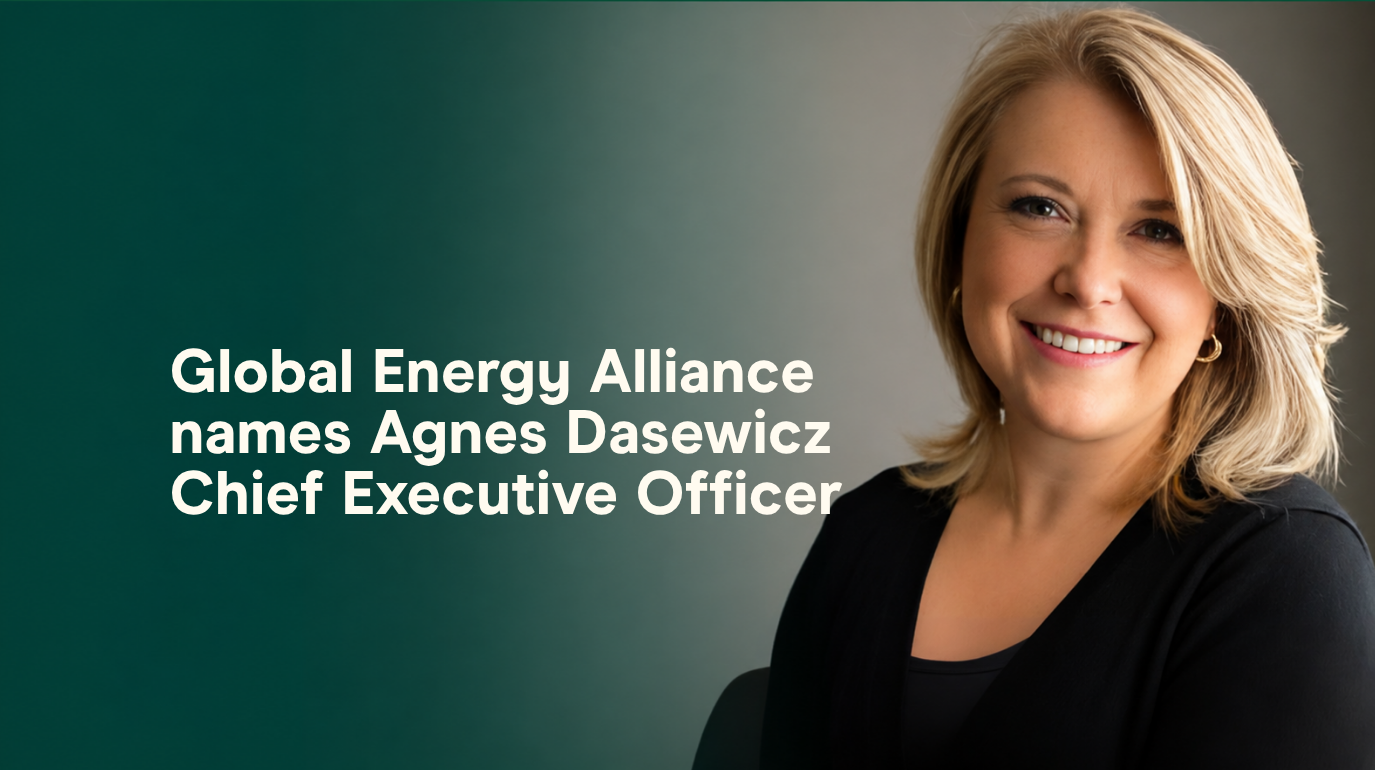
Global Energy Alliance names Agnes Dasewicz as Chief Executive Officer.
Agnes Dasewicz, Chief Investment and Program Officer at Global Energy Alliance, is announced as the new CEO, signaling strategic continuity under fresh leadership.
2027
and beyond
Building a cleaner more prosperous future, together
As we turn five, we are more determined and focused than ever. Years of testing, building and iterating have equipped us with the tools necessary for energy systems change.
The world has changed too, with global insecurity underscoring the risk of relying on fossil fuels, and the cost of clean energy plummeting as renewable technology accelerates.
Through experimentation, hard lessons and breakthroughs we have learned that individual projects is not enough. Lasting progress means changing the systems that determine how energy is financed, generated, delivered and put to productive use.
We have always known why we do this work, now we have a deeper understanding of how.
Our commitment to building alliances is bolder. Our ability to deploy technical expertise is deeper.
Our sharpened strategy rests on twin pillars that tackle supply and demand simultaneously, each reinforcing the other: reliable grid supply makes productive use possible, and productive use makes sustained investment worthwhile. Together they move us toward a cleaner, more prosperous future for all.
Our unique delivery model, starts with local economic priorities, identifies barriers, builds alliances, co-designs solutions, proves what works, and embeds those solutions in institutions, finance and markets so they scale.
As a global coalition addressing some of the world’s hardest problems, we have learned that lasting systems change is the result of in-country partnerships that embed solutions in their context, smartly invested catalytic capital that clears blockages unlocking investment, and technical experts who work hand-in-hand with partner governments.
Emerging economies that thrive, powered by cheap, clean renewable energy is not just within reach, it is already happening and the opportunities this new world represents are already being realized.
We confront the future with hope and purpose, our ambition as bold, and our commitment as deep, as when we began.
Looking ahead, together.
Building a cleaner more prosperous future, together
Five years of testing, building and learning have sharpened our focus and equipped us with a deeper understanding of what it takes to transform energy systems.
We have always known why we do this work, now we have a deeper understanding of how. Our commitment to building alliances is bolder. Our ability to deploy technical expertise is deeper.
The world we envision – where emerging economies thrive, powered by affordable, clean energy – is not just within reach. Thanks to our partnerships, it is already happening.